

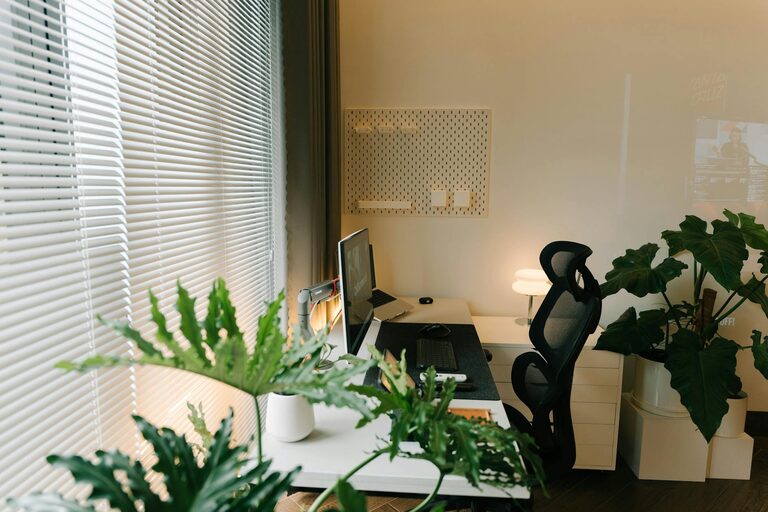
Creating a productive home office environment is key to maintaining focus and efficiency while working remotely. Whether you’re new to working from home or looking to improve your current setup, there are simple changes you can make to boost your productivity and comfort. This guide offers helpful tips to design a workspace that supports your workday and wellbeing.
Choose the Right Location
Finding the ideal spot for your home office is the first step. Consider a quiet area away from heavy foot traffic and distractions. A dedicated room is ideal, but if that’s not an option, a corner of a less busy room can work well too. Natural light is a big plus — it helps keep you alert and improves mood. If possible, set up near a window.
Invest in Comfortable Furniture
Since you’ll be spending many hours at your desk, comfort matters. Choose a supportive, adjustable chair to prevent back pain and promote good posture. Your desk should be the right height so your elbows rest comfortably at a 90-degree angle when typing. Standing desks or desk converters can also be useful if you want to alternate between sitting and standing.
Organize Your Workspace
A clutter-free space improves focus and reduces stress. Use shelves, drawers, or storage bins to keep supplies and documents neat and within reach. Consider cable organizers to manage cords and chargers. Keeping only everyday essentials on your desk helps create an inviting and efficient environment.
Optimize Lighting
Good lighting reduces eye strain and fatigue. Incorporate a combination of natural light and artificial lighting. A desk lamp with adjustable brightness can provide task lighting when needed. Avoid harsh overhead lights that cause glare or flicker.
Minimize Distractions
Limit interruptions by setting boundaries with others in your household. Use noise-cancelling headphones or play gentle background music if ambient noises tend to distract you. Turning off notifications on your phone and computer during focused work periods also helps maintain concentration.
Personalize Your Workspace
Adding personal touches can make your office feel welcoming and inspiring. Consider houseplants, artwork, or motivational quotes that lift your mood without creating clutter. A tidy desk combined with a few meaningful items can improve your connection to the space.
Maintain a Healthy Routine
A productive home office also means taking care of yourself. Schedule regular breaks to stretch, hydrate, and rest your eyes. Use timers or apps to remind yourself to step away from your desk every hour. Organizing your work hours with clear start and end times helps maintain a healthy work-life balance.
Equip Your Office with the Right Technology
Make sure your computer, internet connection, and other devices are reliable and up to the demands of your work. Keep your software updated and organize digital files for quick access. Consider investing in accessories like a quality keyboard, mouse, or monitor to improve ergonomics and efficiency.
Establish Clear Work Habits
Set daily goals and prioritize tasks to stay on track. Use planners or digital tools to manage your schedule and deadlines. Starting your day with a consistent routine can help mentally prepare you for work and build productive habits over time.
Keep the Air Fresh and Comfortable
Good air circulation and a comfortable room temperature contribute to better focus. Open windows when possible or use fans and air purifiers to maintain fresh air. Avoid overly warm or cold environments that make concentrating difficult.
—
By implementing these tips, you can create a home office that supports productivity, comfort, and well-being. Remember, the best workspace suits your individual needs and allows you to perform your best every day. Happy working!