

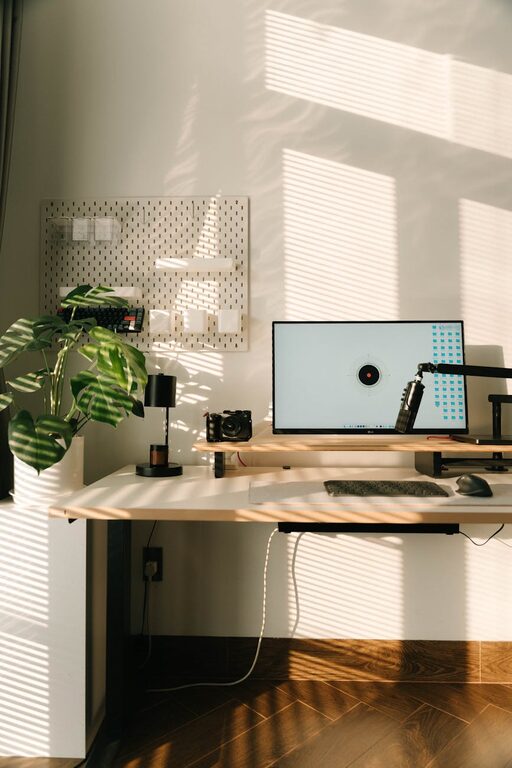
Creating a relaxing home workspace is essential for improving productivity and maintaining a healthy work-life balance. When your workspace feels calm and inviting, it’s easier to concentrate, stay motivated, and accomplish tasks efficiently. In this post, we’ll share helpful tips to transform any corner of your home into a peaceful and productive work environment.
Why a Relaxing Workspace Matters
Your workspace directly impacts your mood and output. Clutter, noise, and poor lighting can cause stress and distraction. On the other hand, a well-organized, soothing environment encourages creativity, reduces fatigue, and helps you remain focused for longer periods.
Choose the Right Location
Find a Quiet Spot
Pick a place in your home that is quiet and has minimal foot traffic. Ideally, this space should be separate from areas associated with leisure so your brain can easily shift into work mode.
Maximize Natural Light
Natural light boosts alertness and elevates mood. Position your desk near a window to enjoy soft sunlight during the day. If that’s not possible, invest in good quality, adjustable artificial lighting that mimics daylight.
Invest in Comfortable Furniture
Ergonomic Chair and Desk
Comfort is key when working long hours. An ergonomic chair supports your back and encourages good posture, reducing the risk of aches. Choose a desk at the right height to prevent strain on your wrists and shoulders.
Personalize Your Space
Add cushions or a footrest for extra comfort. Personal touches like your favorite mug, a small plant, or artwork can also make your desk feel welcoming.
Declutter and Organize
Keep Surfaces Clear
Maintain a tidy workspace by only keeping essentials on your desk. Use storage boxes, shelves, or drawer organizers to store supplies and paperwork neatly.
Create Zones
Designate specific areas for different tasks—such as a computer zone, note-taking area, and a place to keep reference materials. This approach reduces mess and makes finding items easier.
Use Calming Colors and Decor
Choose Soothing Colors
Colors like soft blues, greens, and neutrals can have a calming effect. Consider painting your workspace wall or using decor items in these shades.
Add Natural Elements
Including plants or natural wood accents can bring a sense of tranquility and freshness to your workspace.
Manage Noise Levels
Use Noise-Cancelling Headphones
If you can’t control background noise, headphones can help block distractions while allowing you to listen to focus-enhancing music or white noise.
Background Sounds
Alternatively, some gentle sounds, like nature recordings or ambient music, can promote relaxation and concentration.
Incorporate Break Areas
Create a Relaxation Corner
If space allows, set aside a small area with a comfy chair or cushion where you can take short breaks to stretch or meditate.
Practice Mindful Breaks
Taking regular, mindful breaks helps refresh your mind. Use this time to hydrate, stretch, or simply breathe deeply to reduce tension.
Optimize Technology
Organize Cords and Chargers
Tidy up cables with clips or sleeves to avoid a tangled mess that can add to stress.
Use Productivity Tools
Applications that manage your schedule or block distracting websites can support your focus and time management.
Maintain Good Air Quality
Ventilate Your Workspace
Open windows regularly to bring in fresh air. A portable air purifier or houseplants can also improve indoor air quality.
Keep Space Clean
Dust and allergens can impact comfort and concentration, so clean your area frequently.
Final Thoughts
Designing a relaxing home workspace is not just about aesthetics but creating an environment that supports your mental and physical well-being. By choosing the right spot, keeping things organized, and adding calming elements, you can build a space where you’re motivated to work and productive throughout the day. Small changes can make a big difference in how you feel and perform. Start with one or two tips today and gradually create your ideal home office.