

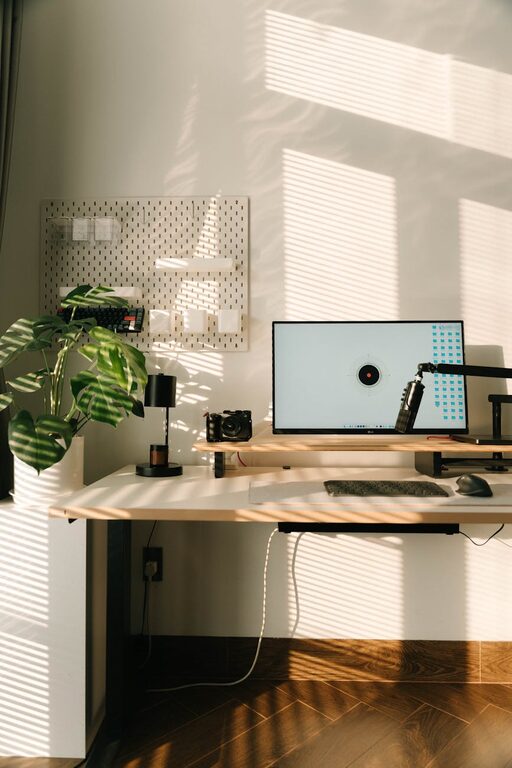
Setting up a productive home workspace is essential for anyone working remotely or managing projects from home. A well-organized and comfortable environment can improve focus, reduce distractions, and enhance overall work satisfaction. Whether you have a dedicated room or a small corner, these tips will help you create a workspace that supports your productivity and well-being.
Choose the Right Location
Selecting the best spot for your workspace is the first step toward productivity. Ideally, your workspace should be:
– Quiet and Low-Traffic: Choose a place away from household noise and frequent movement to minimize distractions.
– Natural Light: Position your desk near a window if possible. Natural light improves mood and focus.
– Ventilated and Comfortable: Fresh air and a comfortable temperature help maintain concentration.
If space is limited, try to pick a corner where you feel comfortable and can keep your work materials organized.
Invest in Comfortable Furniture
Comfort plays a big role in how well you perform and sustain your focus.
– Ergonomic Chair: Choose a chair that supports your back, encourages good posture, and allows adjustable height.
– Desk Size: Your desk should be large enough to hold your computer, notes, and other essentials without feeling cramped.
– Adjustable Setup: Consider adjustable desks or laptop stands to vary your posture and prevent strain.
Taking care of your physical comfort prevents fatigue and can help you work longer with less discomfort.
Optimize Lighting
Good lighting reduces eye strain and helps maintain alertness.
– Combine Natural and Artificial Light: Use daylight when possible but also have sufficient overhead and task lighting.
– Avoid Glare: Position screens perpendicular to windows and use blinds or curtains to manage brightness.
– Use Warm or Neutral Lights: Bright, harsh lighting can be tiring; softer lighting creates a more relaxing environment.
Proper lighting supports your eyes and helps you stay productive throughout the day.
Keep Your Workspace Organized
A clutter-free workspace encourages clear thinking and reduces stress.
– Use Storage Solutions: Shelves, drawers, and organizers keep clutter off your desk.
– Limit Items on Desk: Only keep daily-use items on your desk; store the rest nearby.
– Regular Cleaning Routine: Take a few minutes at the end of each day to tidy your area.
An organized space makes it easier to find what you need and keeps distractions at bay.
Minimize Distractions
To stay focused, it’s important to limit interruptions.
– Set Boundaries: Inform household members about your work schedule and establish “do not disturb” times.
– Use Noise-Canceling Headphones: Block out background noise with headphones or play concentration-enhancing music.
– Turn Off Notifications: Silence non-work-related notifications on your computer and phone during work hours.
Creating boundaries and controlling your environment reduces disruptions and improves productivity.
Personalize Your Space
A workspace that feels inviting and motivating can boost your mood.
– Add Plants: Indoor plants improve air quality and add a touch of nature.
– Display Inspiring Items: Photos, artwork, or motivational quotes can keep you energized.
– Use Comfortable Accessories: Cushions, wrist rests, or a soft blanket can enhance comfort.
Personal touches help make your workspace a place where you enjoy spending time.
Establish a Routine
Having a clear structure for your workday supports focus.
– Set Regular Hours: Define when you start and finish work to create boundaries.
– Schedule Breaks: Take short breaks to stretch, hydrate, and rest your eyes.
– Use To-Do Lists: Planning your day helps keep track of tasks and priorities.
A consistent routine trains your mind to switch into work mode and maintain productivity.
Utilize Technology Wisely
Technology is central to home work, but it should support—not hinder—your workflow.
– Reliable Internet Connection: Ensure you have a stable and fast connection.
– Organize Digital Files: Use folders and cloud storage for easy access and backup.
– Use Productivity Tools: Apps for task management, calendar scheduling, and focus timers can enhance efficiency.
Choosing the right tools and keeping them organized simplifies your work processes.
—
Creating a productive home workspace environment takes some planning and effort, but the benefits are well worth it. By choosing the right location, investing in comfort, organizing your space, managing distractions, and personalizing your area, you can build a workspace that helps you stay focused and energized throughout your workday. With a little routine and smart technology use, working from home can become both enjoyable and efficient.